The Benefits and Costs of Gambling
What are the benefits and costs of gambling? Numerous studies have been conducted on the community and social effects of gambling. Both the positive effects of gambling as well as the costs of compulsive gaming are discussed. However, there are few studies that have examined the cost of compulsive gambling, particularly when it is associated with high stakes, which are the most detrimental to society. For instance in a study that examined the effects of gambling in the context of a North American city, only 6 percent of the respondents said they could discern a positive impact of gambling.
Gambling has positive effects
Gambling has many negative consequences. Gambling can cause an increase in the use of drugs and alcohol and also the financial cost. Many people have reported drinking alcohol or using drugs when they lose or win an event, and some have even used gambling to ease anxiety and depression. In addition to losing money, gambling may also result in theft, and some people might be tempted to steal to finance their gambling losses. The negative effect of gambling can affect the health of people and communities.
One study showed that those who support casinos are more likely to have positive attitudes toward gambling. This was true across all demographic groups. Support for casinos was positively related to attitudes and satisfaction with the overall level of living. Although people don't need to be gambling players to have positive attitudes, the social and economic benefits of gambling are often sufficient to make the population supportive of casinos. Cheju Island residents reported that Cheju Island reported that the positive attitudes they had towards casinos were positively related to the level of satisfaction in the community.
Another study showed that gamblers were more likely make more money than those who did not. This is due to the fact that people who work in casinos earn higher salaries than the average person. The social interaction with casino workers improves brain function and makes people happier. Responsible gambling is responsible gambling. Legalization issues are more likely to trigger the negative effects of gambling. Although the government will have to study the effects of gambling prior taking action to regulate it however the fact that it can bring more revenue to local economies is a positive indicator.
Social costs
The social costs of gambling aren't easily quantified. They are not able to be accurately assessed without knowing the causal link. Certain effects of gambling could be explained by a disorder such as anxiety, depression or anxiety disorder. These costs are often discounted by a causality adjustment. For instance in 1999, the Australian Productivity Commission developed a causality adjustment method that assumed that at least 80% of problematic gamblers would still be facing some consequences if they chose not to gamble.
The social consequences of gambling addiction include direct, indirect, as well as intangible costs. In 2018, the expenses of gambling in Sweden were estimated to be EUR1419 million, representing 0.30 percent of the GDP of the country. Direct costs comprised 13 percent of the total, while the indirect costs comprised 59%. In Sweden the total societal costs of gambling were twice as high as the tax revenue generated by gambling in that year. The country's total indirect and direct gambling costs were comparable to the costs of smoking and alcohol.
The social costs associated with gambling are numerous. Indirect costs associated with gambling include direct spending by casino patrons on entertainment and entertainment in the local area. Although local businesses are able to receive some of the casino's profits however, the funds ultimately go to the local economy. The direct expenses of the casino's activities have a variety of negative effects on the local community. 링크바다 This means that gambling can cause criminality as well as domestic violence, personal bankruptcy and even lost workdays.
Compulsive gambling and its costs
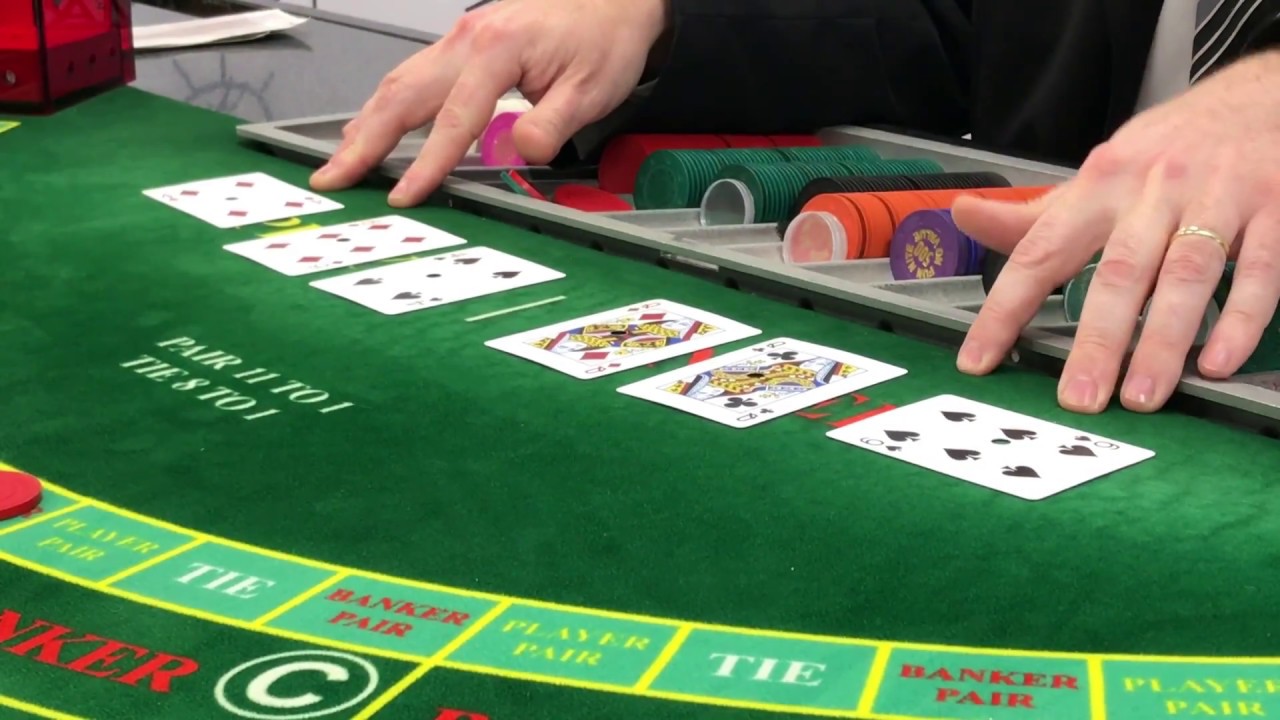
Gambling is a major expense to society. Statistics show that compulsive gamblers in New Jersey get arrested and tried for embezzlement and other criminal offenses. They are busy organizing loans, avoiding creditors or playing at the nearest casino. They may report late to work or utilize vehicles owned by the company to go on gambling trips. Gamblers who are compulsive can cause harm to their families, their communities, and themselves.
Different studies have attempted to estimate the social cost of gambling that is pathological However, the results have varied. The social cost of pathological gambling is determined by the total cost of the person who is affected, their family as well as the society in general. The annual cost of addiction is estimated at $9,600 USD, however, estimates may differ due to different methodologies. Studies of the cost of gambling addiction focus on the social costs , but some have found other factors that can raise the cost.
The consequences of gambling addiction are numerous. Gambling addiction can have serious consequences for children. They may develop depression, use drugs, or have issues with their behavior. These consequences could require medical professional intervention. Gamblers with a history of addiction should seek treatment if these costs are excessive. Many treatments exist for compulsive gambling.